About

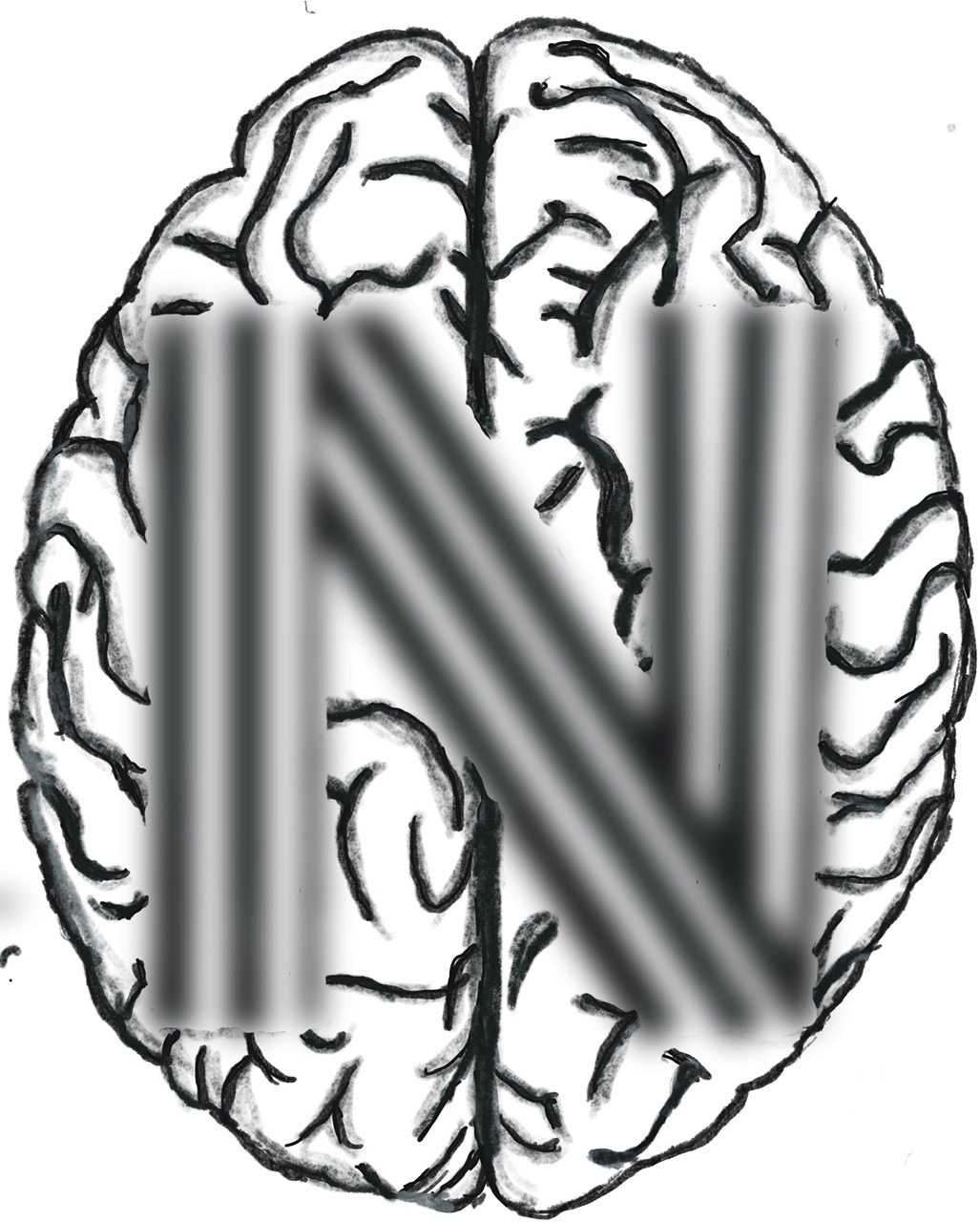
We are a collaborative, multi-center research initiative dedicated to uncovering the neurobiological and psychological mechanisms behind patient adaptation to multifocal intraocular lenses (MF IOLs). While MF IOLs offer significant advantages in restoring near, intermediate, and distance vision after cataract surgery or refractive lens exchange, a small but significant subset of patients fails to adapt successfully to these lenses. Our research aims to understand why.

Despite the overwhelmingly positive outcomes reported by most MF IOL recipients, some individuals experience persistent visual discomfort, glare, reduced contrast sensitivity, or general dissatisfaction—even when clinical assessments show optimal placement and visual acuity. This mismatch between objective success and subjective experience lies at the heart of our inquiry. We believe that successful adaptation to MF IOLs is not merely a matter of ocular function, but a complex interplay between visual processing, neural plasticity, psychological readiness, and perceptual integration.

To explore this multifaceted issue, Neuroadaptation brings together an interdisciplinary team of ophthalmologists, psychologists, neurologists, and radiologists. Our team spans multiple leading medical and academic centers, each contributing distinct expertise. We use a combination of clinical evaluations, psychometric profiling, advanced neuroimaging (such as functional MRI), and longitudinal follow-up to investigate both structural and functional aspects of the brain and mind that contribute to—or inhibit—adaptation.

Our research is grounded in the hypothesis that central neural processing plays a critical role in how visual information from MF IOLs is interpreted. Neuroimaging may reveal differences in visual cortex activation, attentional networks, or sensory integration pathways between those who adapt and those who do not. Similarly, psychological profiles may help identify cognitive or emotional traits—such as intolerance to visual imperfection, heightened visual awareness, or predisposition to anxiety—that could affect subjective experience.

By correlating neurological and psychological findings with ophthalmic outcomes, we aim to build predictive models of MF IOL adaptation. These models could help clinicians better screen patients preoperatively, tailor lens selection to individual neurocognitive profiles, and develop supportive therapies to enhance post-operative adaptation. Ultimately, we seek to shift the paradigm from a one-size-fits-all surgical model to a more personalized, patient-centered approach that integrates both eye and brain.

Neuroadaptation is not only a scientific endeavor but a patient-focused mission. Understanding why some individuals struggle with MF IOLs—and how we can help them—is vital to improving quality of life, satisfaction rates, and trust in advanced ophthalmic technologies. Our work stands at the crossroads of vision science, cognitive neuroscience, and behavioral psychology, with the goal of unlocking the full potential of multifocal lens technology for all patients.

We invite collaboration and dialogue across the global scientific and clinical community. If you are a researcher, clinician, or patient interested in contributing to or learning from this work, we welcome your interest and engagement as we continue to investigate the complex landscape of neuroadaptive vision.